PRO

Reye Syndrome

What is Reye Syndrome? Reye Syndrome is a rare but serious condition that causes swelling in the liver and brain. It mainly affects children and teenagers recovering from a viral infection, such as the flu or chickenpox. Causes Symptoms Symptoms usually appear a few days after a viral illness and may include: How does it […]
Reye Syndrome Read More »

Ring Worm

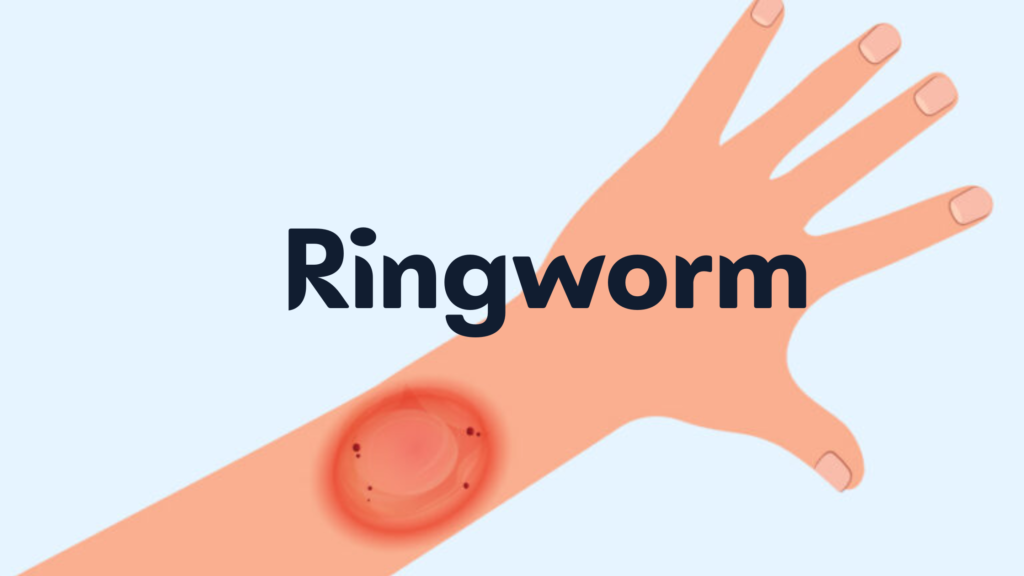
Ringworm 🐛⭕ (Not actually a worm!) What is it?Ringworm is a common fungal infection of the skin. Despite the name, it’s not caused by a worm! It’s caused by fungi called dermatophytes. Symptoms 🔍 How do you get it? Treatment 💊 Prevention Tips 🚫

Ring Worm Read More »

Q Fever

What is Q Fever? Q Fever is a disease caused by the bacterium Coxiella burnetii. It primarily affects animals such as cattle, sheep, and goats but can also infect humans. It is considered a zoonotic disease, meaning it can be transmitted from animals to humans. How is Q Fever Transmitted? Humans usually get Q fever

Q Fever Read More »

Plague

What is Plague? Plague is a serious infectious disease caused by the bacterium Yersinia pestis. Historically, it has caused some of the deadliest pandemics, including the Black Death in the 14th century. Although rare today, plague still exists in some parts of the world. Types of Plague There are three main forms of plague, based

Plague Read More »

Primary Amebic

What is Primary Amebic Meningoencephalitis (PAM)? Primary Amebic Meningoencephalitis (PAM) is a rare but serious brain infection caused by a microscopic amoeba called Naegleria fowleri. This amoeba lives in warm freshwater like lakes, rivers, hot springs, and sometimes in poorly treated swimming pools. How Does Infection Occur? The infection happens when water containing the amoeba

Primary Amebic Read More »

Primary Amebic Meningoencephalitis

What is Primary Amebic Meningoencephalitis (PAM)? Primary Amebic Meningoencephalitis (PAM) is a rare but usually fatal brain infection caused by the free-living amoeba Naegleria fowleri. This amoeba is found naturally in warm freshwater environments like lakes, hot springs, rivers, and poorly maintained swimming pools. PAM affects the brain and the membranes surrounding it (meninges), causing

Primary Amebic Meningoencephalitis Read More »

Norovirus

What is Norovirus? Norovirus is a highly contagious virus that causes inflammation of the stomach and intestines, leading to acute gastroenteritis. It is often called the “stomach flu,” although it’s not related to influenza (the flu virus). Norovirus is one of the most common causes of foodborne illness outbreaks worldwide. Symptoms Symptoms of norovirus infection

Norovirus Read More »

Mumps

What is Mumps? Mumps is a contagious viral infection caused by the mumps virus, which primarily affects the salivary glands, especially the parotid glands located near the ears. This causes swelling and pain in these glands, leading to the characteristic “chipmunk cheeks” appearance. Symptoms of Mumps Symptoms usually appear 16 to 18 days after exposure

Mumps Read More »

Acute Flaccid Myelitis

🧠 Acute Flaccid Myelitis (AFM) Acute Flaccid Myelitis (AFM) is a rare but serious neurological condition that affects the spinal cord, causing sudden muscle weakness and paralysis—especially in children. It resembles polio but is caused by different viruses, primarily non-polio enteroviruses. 🧬 Causes: 🩺 Symptoms: AFM often starts like a viral illness and progresses rapidly:

Acute Flaccid Myelitis Read More »

Call Now Button