PRO

Pertussis

What is Pertussis? 🤧🦠 Pertussis, also known as Whooping Cough, is a highly contagious respiratory disease caused by the bacterium Bordetella pertussis. It causes severe coughing fits that can make breathing difficult, especially in infants and young children. How is Pertussis Transmitted? Symptoms Diagnosis Treatment Prevention 🛡️

Pertussis Read More »

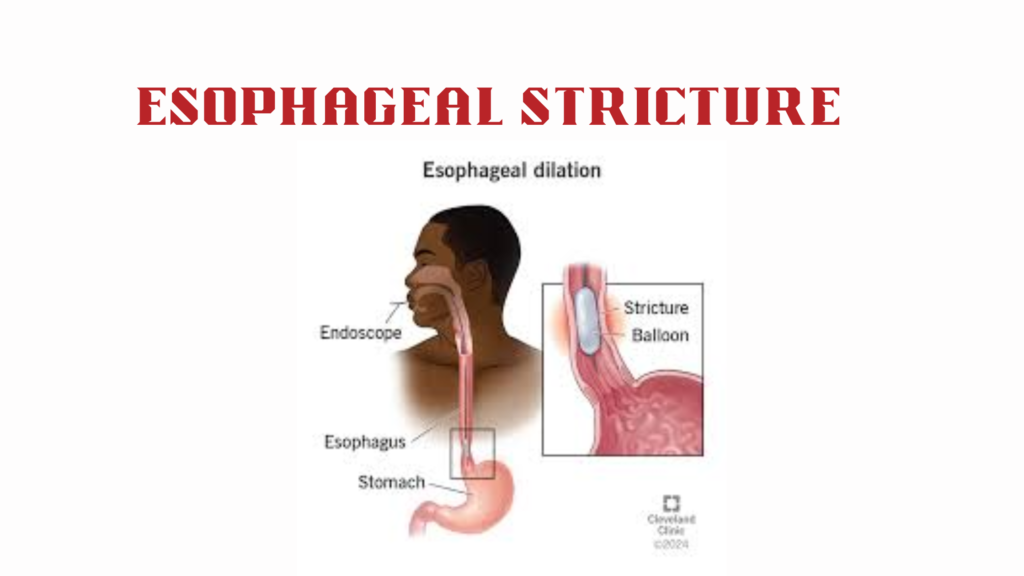
Esophageal stricture

Esophageal stricture refers to an abnormal narrowing of the esophagus, which can cause difficulty swallowing (dysphagia), food impaction, and sometimes chest discomfort. It is often a complication of chronic reflux (GERD) but can have various other causes. 🧬 Types of Esophageal Strictures 🔹 Benign Strictures (most common) 🔹 Malignant Strictures ⚠️ Symptoms Symptom Description Dysphagia

Esophageal stricture Read More »

Salmonellosis

What is Salmonellosis? 🥚🐔🦠 Salmonellosis is an infection caused by bacteria of the genus Salmonella, commonly found in contaminated food or water. It mainly affects the intestines and causes gastrointestinal illness. How is Salmonellosis Transmitted? Symptoms Diagnosis Treatment Prevention 🛡️
Salmonellosis Read More »

Tetanus

What is Tetanus? ⚡🦠 Tetanus is a serious bacterial infection caused by Clostridium tetani, a bacterium commonly found in soil, dust, and animal feces. The bacteria produce a toxin that affects the nervous system, leading to muscle stiffness and spasms. How is Tetanus Transmitted? Symptoms Diagnosis Treatment Prevention 🛡️

Tetanus Read More »

Kala-azar

What is Kala-azar? 🦟🦠 Kala-azar, also known as Visceral Leishmaniasis, is a serious parasitic disease caused by the Leishmania donovani complex. It affects internal organs like the liver, spleen, and bone marrow. How is Kala-azar Transmitted? Symptoms Diagnosis Treatment Prevention 🛡️

Kala-azar Read More »

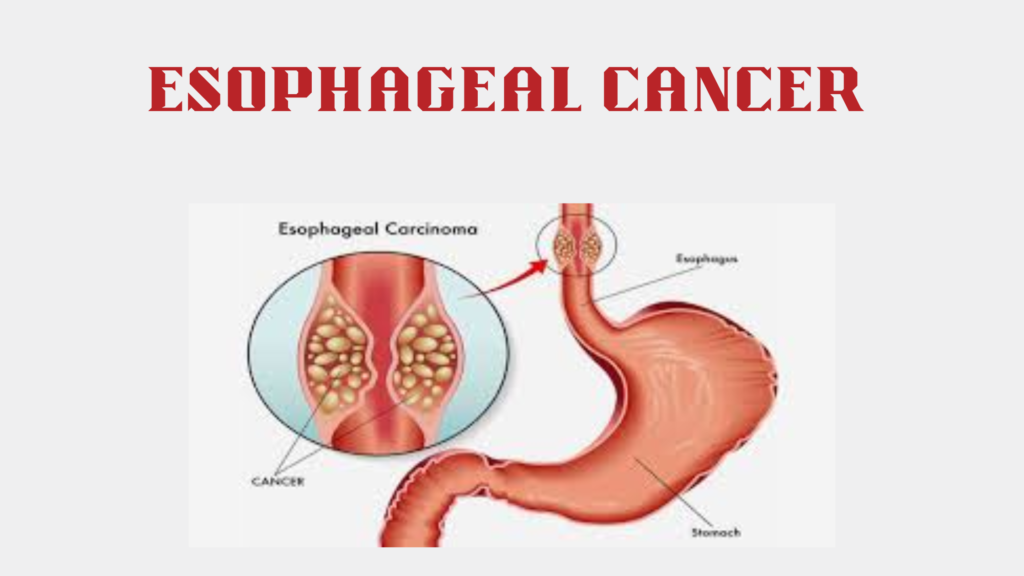
Esophageal cancer

Esophageal cancer is a malignant tumor arising from the lining of the esophagus, often detected late due to vague symptoms. It’s a serious condition with a generally poor prognosis if not caught early, but outcomes are improving with earlier detection and advances in treatment. 🧬 Types of Esophageal Cancer 1. Adenocarcinoma (AC) 2. Squamous Cell

Esophageal cancer Read More »

Leprosy

What is Leprosy? 🦠🧑‍⚕️ Leprosy, also known as Hansen’s disease, is a chronic infectious disease caused by the bacterium Mycobacterium leprae. It primarily affects the skin, peripheral nerves, mucous membranes, and eyes. How is Leprosy Transmitted? Symptoms Types of Leprosy Diagnosis Treatment Prevention 🛡️

Leprosy Read More »

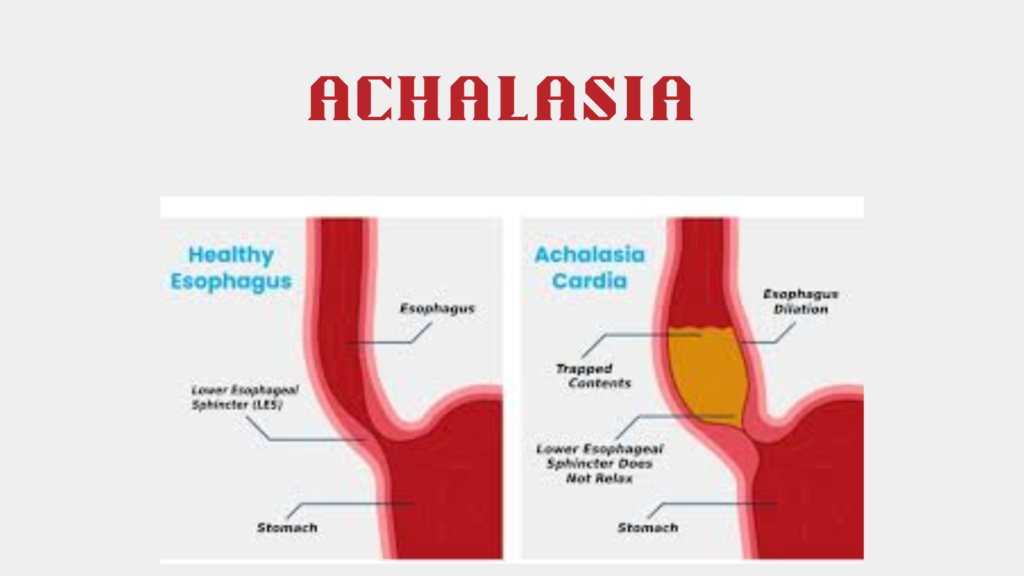
Achalasia

Achalasia is a rare, chronic esophageal motility disorder where the lower esophageal sphincter (LES) fails to relax properly, and the esophageal muscles lose coordinated movement. This leads to difficulty swallowing (dysphagia), regurgitation, and sometimes chest pain or weight loss. 🧬 Pathophysiology 🔍 Cause: 😖 Symptoms Symptom Description Dysphagia Difficulty swallowing solids and liquids Regurgitation Undigested

Achalasia Read More »

Soil – Transmitted Helminthiases.

What are Soil-Transmitted Helminthiases? 🌱🐛 Soil-transmitted helminthiases are parasitic infections caused by a group of intestinal worms (helminths) that are transmitted through contaminated soil. They primarily affect people living in tropical and subtropical regions with poor sanitation. Common Soil-Transmitted Helminths How are They Transmitted? Symptoms Diagnosis Treatment Prevention 🛡️

Soil – Transmitted Helminthiases. Read More »

Call Now Button